The J Cole Dilemma: When Conscience Meets Competition
My position on J. Cole is rooted in what I see as a real philosophical contradiction. One that reflects a deeper moral dilemma but also exposes a kind of selective engagement within it. If you are a fan of J. Cole, I want to mention that I am too, and for a very long time. So before you clock out, please give me a moment to explain.
Hip-hop, especially at the highest level, is inherently agonistic, thriving on competition, tension, and symbolic conflict. This isn’t incidental; it’s the structure of the “game.” When you participate in it, you’re not just making music. You’re entering a space where challenge, dominance, and lyrical combat are core values. In philosophical terms, this creates a built-in moral tension: the pursuit of excellence and status is tied to forms of verbal aggression, ego assertion, and, at times, the humiliation of others.
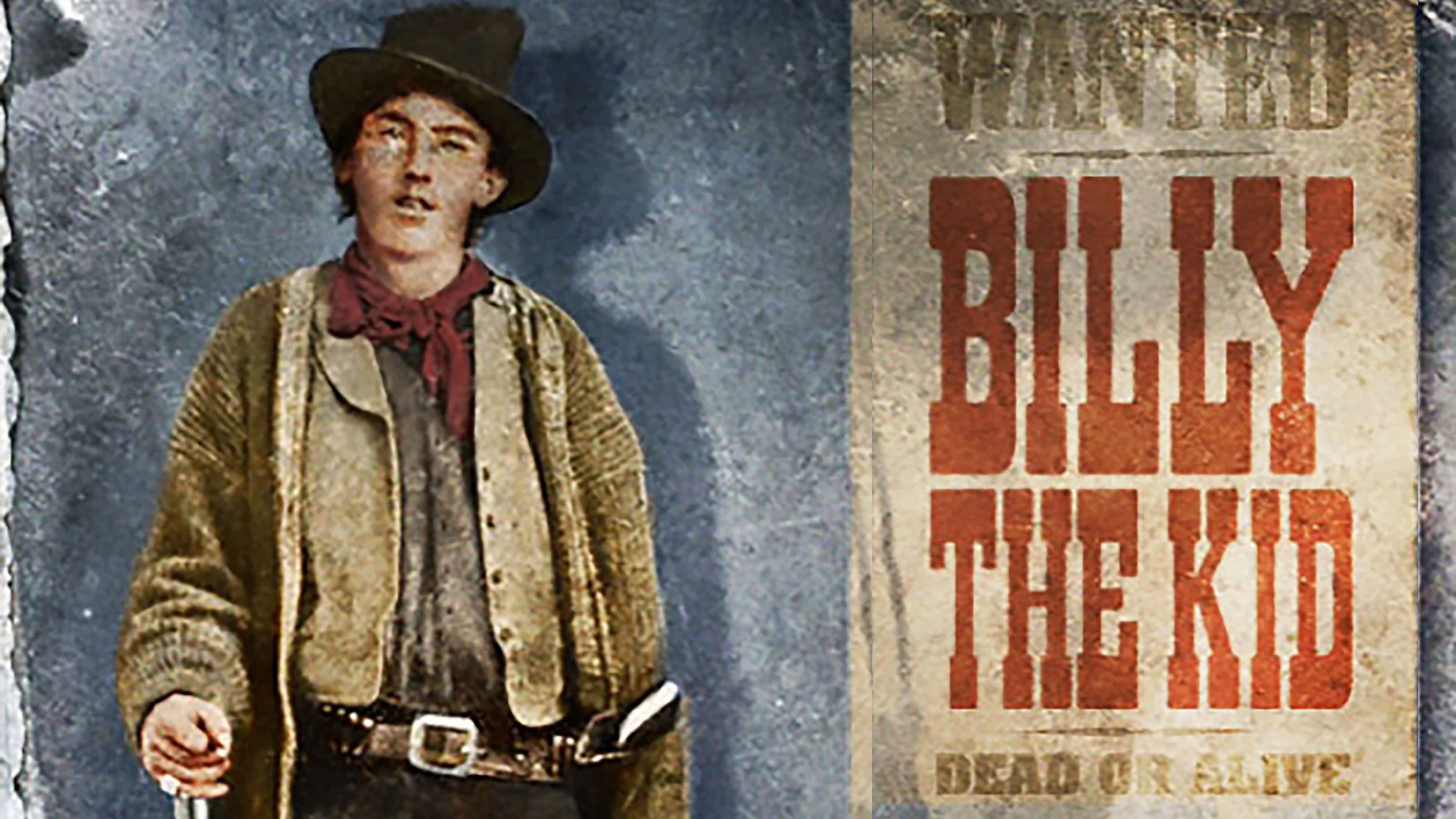
J. Cole has long been part of that structure. Through subliminal shots, competitive framing, and positioning himself among the greats, he has contributed to the very environment that produces conflict. He didn’t create the rules, but he willingly “played the game” and played it extremely well. At lower stakes, emcees who participate frame it as “just rap” or “just bars,” a kind of harmless sport. Like a shooter at the firing range, targeting sheets of paper with blank faces, yet whispering silently under their breath, “I’m Billy the Kid.”
But when Kendrick Lamar’s challenge raised the stakes—when the game became real in the sense that it demanded a decisive, public confrontation—Cole stepped in briefly, then abruptly stepped back. Apologizing for his insults that questioned Lamar’s greatness, which he admitted were disingenuous swipes at Lamar’s musical catalog. His apology wasn’t just a tactical retreat; Cole framed it as a moral one. He signaled discomfort not just with the moment, but with the nature of the conflict itself, resisting the fans’ call for “blood.”
This is where the philosophical tension sharpens.
What we see here resembles what philosophers call a moral dilemma, but not in the traditional sense in which all options an individual faces are equally unavoidable. Instead, it’s closer to what might be called a self-generated dilemma. A situation where someone participates in creating the conditions of conflict, but resists responsibility when those conditions reach their logical conclusion.
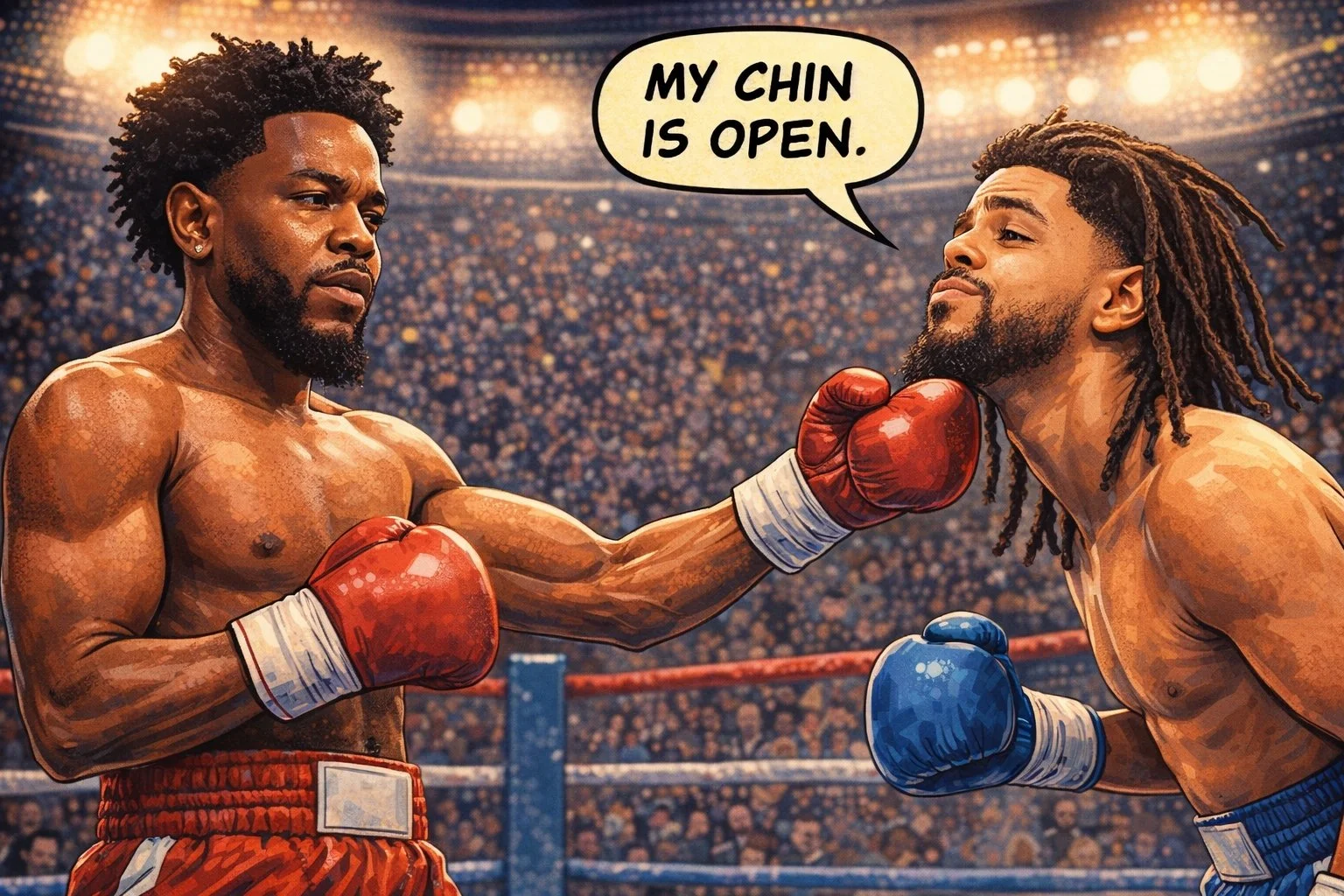
Boxing illustration mirroring J Cole offering Kendrick his “chin” during his infamous concert apology in April 2024.
The analogy to boxing makes this clearer. Imagine a fighter who has built a career in a brutal sport, training, competing, and benefiting from its violence. But in the championship round, at the moment when the boxer must decisively finish their opponent, they hesitate, not out of fear, but out of a moral awakening. They begin to question whether the act of finishing the fight is inhumane.
That moment is powerful. It suggests conscience, reflection, even growth.
But it is also contradictory.
Because the same fighter accepted, and even embraced, the brutality of the sport when the stakes were lower. They participated in earlier rounds, earlier fights, where harm was still being done. The moral question didn’t emerge in those moments, or at least it didn’t interrupt their participation. It only becomes decisive when the spotlight is brightest and the consequences most visible.
So the contradiction is this: J. Cole is both a participant in and a critic of the same system, but his critique arrives at the moment when he is most called to fully embody the role he has played for over a decade.
Philosophically, this touches on questions of integrity and moral consistency. In virtue ethics, for example, character is revealed not just in isolated decisions, but in the coherence of one’s actions over time. A sudden shift in moral posture isn’t necessarily wrong, but it invites scrutiny when it coincides with increased pressure or visibility.
It also raises an existential question: is Cole rejecting the game, or just the moment? Because rejecting the moment while having benefited from the system can look less like moral clarity and more like selective disengagement.
At the same time, there’s a charitable reading. It’s possible that what we’re seeing is a genuine confrontation with the implications of his own participation—a moment where the abstract “game” becomes concrete, forcing a moral reckoning. A generous interpreter would recall that, on stage, Cole said, “It reminds me of ten years ago when I was moving incorrectly,” while explaining why an apology was necessary. In that sense, the contradiction isn’t hypocrisy so much as evolution happening in real time.
But even then, the tension doesn’t disappear. It remains part of J Cole’s moral identity now that he helped build the stage, stepped onto it, and then questioned the theatre’s production at its climax.
That’s what makes it compelling. It’s not just about rap. It’s about what happens when someone recognizes the moral cost of a system they’ve already succeeded in building.